Maximizing Tax Credits: Reduce Your Tax Bill Legally and Effectively
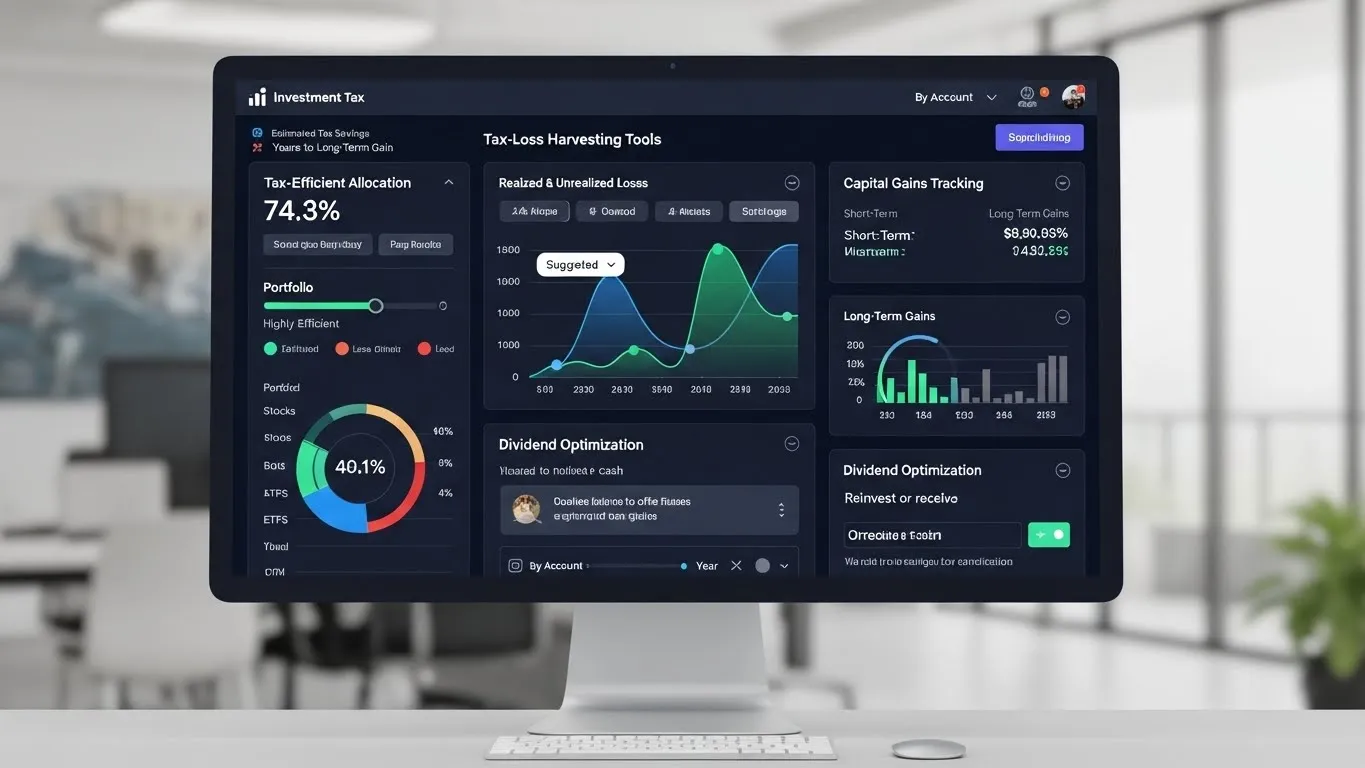
Unlock Significant Savings: Maximizing Tax Credits for a Lower Tax Bill
Navigating the complexities of tax season can often feel overwhelming, but a powerful tool at your disposal can significantly ease the burden: tax credits. Unlike deductions, which reduce your taxable income, tax credits directly reduce the amount of tax you owe, dollar for dollar. This makes them incredibly valuable for any taxpayer looking to legally and effectively reduce their tax bill. Understanding and claiming the right tax credits can unlock substantial savings, leaving you with more money to invest, save, or spend. This guide will explore the most impactful tax credits available, how to determine your eligibility, and strategies for maximizing your tax savings.
Key Points:
- Tax credits offer a dollar-for-dollar reduction of your tax liability.
- Eligibility for credits depends on specific criteria and qualifying expenses.
- Proactive planning and record-keeping are crucial for claiming all applicable credits.
- Staying informed about new and expiring credits is essential for ongoing optimization.
- Consulting a tax professional can help uncover overlooked tax-saving opportunities.
Understanding the Power of Tax Credits
The fundamental difference between tax deductions and tax credits is their impact on your final tax liability. While deductions lower your taxable income, credits directly reduce your tax owed. For example, a $1,000 deduction might save you a few hundred dollars depending on your tax bracket, but a $1,000 credit can save you the full $1,000. This direct impact makes them a cornerstone of effective tax planning.
There are two primary types of tax credits:
- Nonrefundable Tax Credits: These credits can reduce your tax liability to $0, but you won't receive any excess amount back as a refund. If you have a $500 nonrefundable credit and owe $300 in taxes, your tax bill becomes $0, but you don't get the remaining $200.
- Refundable Tax Credits: These credits can reduce your tax liability below $0, meaning you can receive any unused portion as a refund. This is particularly beneficial for lower-income taxpayers.
Key Tax Credits for Individuals and Families
Many tax credits are designed to incentivize certain behaviors or support specific demographics. Here are some of the most common and impactful credits that individuals and families should be aware of.
Education Credits: Investing in Learning
The pursuit of education is often supported by tax incentives. The primary education credits include:
- American Opportunity Tax Credit (AOTC): This credit is available for the first four years of higher education for eligible students. It can be worth up to $2,500 per student per year and is partially refundable. To qualify, the student must be pursuing a degree or other credential, be enrolled at least half-time, and not have completed the first four years of higher education. This credit is a powerful tool for families with students in college.
- Lifetime Learning Credit (LLC): This credit is for courses taken toward a college degree, or to acquire job skills. It's not limited to the first four years of study and can be used for undergraduate, graduate, and professional degree courses. The LLC is worth up to $2,000 per tax return, but it is nonrefundable.
Tip: You can claim either the AOTC or the LLC for a student in a given year, but not both. Careful consideration of your student's enrollment status and expenses is crucial. For detailed information on these credits, refer to IRS Publication 970, Tax Benefits for Education.
Child Tax Credit (CTC) and Additional Child Tax Credit (ACTC)
These credits are designed to help offset the costs of raising children.
- Child Tax Credit (CTC): This credit can provide a significant reduction in your tax liability for each qualifying child. The amount can be substantial, and a portion of it may be refundable as the Additional Child Tax Credit (ACTC).
- Additional Child Tax Credit (ACTC): If the CTC reduces your tax liability to less than what you owe, the ACTC may allow you to get some of the remaining credit back as a refund.
To claim these credits, your child must meet several criteria, including age, residency, and dependency. It’s vital to ensure all dependency tests are met to avoid any issues.
Retirement Savings Contributions Credit (Saver's Credit)
This credit is for low-to-moderate income taxpayers who save for retirement. It can be worth up to $1,000 for individuals or $2,000 for married couples. The credit amount is a percentage (50%, 20%, or 10%) of your contribution to an IRA or 401(k), depending on your adjusted gross income (AGI). This credit encourages saving and directly rewards those who are building their future security.
Energy Credits: Incentives for Green Investments
The government offers credits to encourage energy-efficient home improvements and investments in renewable energy.
- Residential Clean Energy Credit: This credit covers a percentage of the costs for renewable energy installations like solar electric panels, solar water heaters, fuel cells, and wind turbines. This credit makes sustainable home upgrades more accessible.
- Energy Efficient Home Improvement Credit: This credit offers a percentage of the cost for certain qualified energy-efficient home improvements, such as installing energy-efficient windows, doors, insulation, and certain heating and air conditioning systems. There's an annual limit on this credit.
Differentiated Insight: While many articles focus on the main energy credits, it's important to note that some states and local municipalities offer additional rebates and incentives that can be combined with federal credits. Always check for local programs in conjunction with federal ones for maximum savings.
Credits for Businesses: Driving Growth and Innovation
Businesses also benefit from a range of tax credits designed to stimulate economic activity, research, and job creation.
Research and Development (R&D) Tax Credit
This credit is a powerful incentive for companies that invest in developing new or improved products, processes, software, or techniques. It can offset a significant portion of qualified research expenses. Many small and medium-sized businesses overlook this credit, missing out on substantial savings. The scope of qualifying research has expanded in recent years, making it relevant to a wider range of industries, from software development to manufacturing.
Work Opportunity Tax Credit (WOTC)
The WOTC is a federal tax credit available to employers who hire individuals from certain targeted groups who have historically faced significant barriers to employment. These groups include veterans, food stamp recipients, and ex-felons. This credit can reduce an employer's tax liability by thousands of dollars per qualified employee.
Other Business Credits
Depending on your industry and location, other credits might be available, such as credits for creating jobs in specific economic zones, investments in low-income housing, or the production of certain types of energy.
Strategies for Maximizing Your Tax Credits
Claiming all eligible tax credits requires a proactive approach and diligent record-keeping. Here are some strategies to ensure you don't miss out on potential savings:
- Stay Organized and Keep Detailed Records: This is paramount. For any credit you might be eligible for, maintain thorough documentation. This includes receipts, invoices, statements, and any other proof of payment or eligibility. For educational credits, keep student enrollment forms and tuition bills. For energy credits, retain contractor invoices and details of the equipment installed.
- Understand Eligibility Requirements: Each credit has specific rules and criteria. Don't assume you don't qualify. Carefully review the IRS guidelines for each credit, or consult with a tax professional. For instance, the definition of a "qualifying child" for the CTC has specific nuances.
- Plan Ahead: Tax credits are often tied to specific expenses or activities. If you're planning a significant purchase or investment that might qualify for a credit, doing so in the tax year it's most beneficial can be a smart move. For example, planning home improvements that qualify for energy credits before year-end.
- Utilize Tax Software or Professional Assistance: Modern tax preparation software can often identify potential credits based on the information you input. For more complex situations, engaging a qualified tax advisor or CPA can be invaluable. They can identify credits you might not be aware of and ensure you meet all the necessary requirements. A good tax professional is an investment, not an expense.
- Review Past Tax Returns: Go back through your previous tax filings. Did you overlook any credits in prior years? Sometimes, a simple adjustment or amendment can recover past savings.
- Stay Informed About Tax Law Changes: Tax laws are dynamic. Credits can be introduced, modified, or expire. Following reputable tax news sources or relying on your tax advisor will keep you abreast of changes that could affect your tax situation. For example, legislative updates in late 2023 and early 2024 have introduced nuances to some business tax credits, particularly concerning R&D expense deductibility and amortization. (Source: Congressional Research Service, 2024 update on Tax Legislation).
Differentiated Value: The Impact of Timing and Carryovers
Beyond simply identifying credits, a sophisticated approach involves understanding the timing of expenses and the concept of credit carryovers.
- Timing of Expenses: For credits with annual limitations, like certain energy-efficient home improvement credits, strategically timing your expenses within a tax year can maximize the amount you claim. Some credits are only available for expenses incurred within the tax year, while others might allow for carryovers.
- Credit Carryovers: Some nonrefundable credits, if they exceed your tax liability in a given year, can be carried forward to future tax years. This is particularly relevant for business credits. Understanding if and how your credits can be carried over can provide long-term tax advantages. For instance, unused general business credits can often be carried back or forward, providing flexibility. (Source: Tax Foundation, analysis of business tax credits, 2023).
Frequently Asked Questions (FAQ)
Q1: What is the difference between a tax deduction and a tax credit? A1: A tax deduction reduces your taxable income, while a tax credit directly reduces the amount of tax you owe, dollar for dollar. Credits generally offer a greater tax benefit.
Q2: How can I find out which tax credits I am eligible for? A2: You can explore IRS publications, use tax preparation software that guides you through credit eligibility, or consult with a tax professional who can assess your specific situation.
Q3: Are there any tax credits for people who work from home? A3: For W-2 employees, the ability to claim a home office deduction has been largely eliminated for federal taxes. However, self-employed individuals may be able to deduct certain home office expenses, and some credits might indirectly relate to remote work setups if they involve business expenses or investments.
Q4: Can I claim tax credits for my dependents if I don't owe any taxes? A4: Some credits, like the Child Tax Credit (CTC), are partially refundable, meaning you can get a refund for the unused portion even if you owe no tax. Other nonrefundable credits may not provide a benefit if your tax liability is zero.
Conclusion: Empower Your Finances Through Smart Tax Credit Utilization
Maximizing tax credits is a powerful and legal strategy to significantly reduce your tax bill. By understanding the various credits available, carefully documenting your eligible expenses, and planning ahead, you can ensure you're taking full advantage of every opportunity. Whether you're a student, a parent, a homeowner investing in energy efficiency, or a business owner driving innovation, there are likely credits designed to support your endeavors.
Don't let valuable tax savings slip through your fingers. Take the time to explore your eligibility and implement effective strategies. Your future financial well-being can be greatly enhanced by these smart tax moves.
Ready to dive deeper? Explore our related articles on tax-efficient investing strategies and understanding various tax deductions.
We encourage you to share your experiences and tips for maximizing tax credits in the comments below. And don't forget to subscribe to our newsletter for regular updates on tax optimization and financial planning.
This article was last updated on 2025-12-22. Tax laws can change, so always consult with a qualified tax professional for personalized advice.